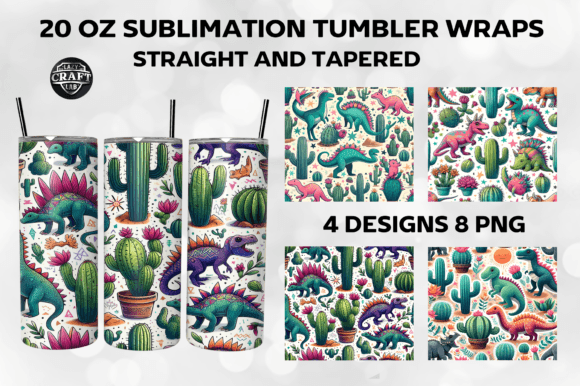
Dinosaur Cactus Tumbler Wrap 20oz PNG
First Impressions: Playful, Punchy, and Surprisingly Versatile
When I opened the Dinosaur Cactus Tumbler Wrap 20oz PNG, I didn’t see just another cactus-and-dino mashup—I saw a design with real personality. It’s got that cheeky, slightly retro cartoon energy: bold outlines, friendly proportions, and a clever balance between organic curves (the cactus arms) and chunky geometry (the dino’s grin and spines). The layout is clean and horizontal—ideal for wrapping around a skinny 20oz tumbler—but its shape also translates beautifully to other surfaces. As an embroidery designer who’s stitched everything from baby onesies to boutique aprons, I immediately pictured this as a custom embroidered tote bag for a local plant shop: sturdy canvas, soft cotton thread, and that joyful contrast of prehistoric meets desert cool.
Where This Design Truly Shines in Real Embroidery Projects
The Dinosaur Cactus Tumbler Wrap 20oz PNG isn’t limited to tumblers—and that’s its quiet strength. Its moderate detail level and open negative space make it highly adaptable for machine embroidery design work on apparel and home goods. On a medium-weight sweatshirt, the cactus’s rounded pads read clearly in satin stitch, while the dino’s eye and smile hold up even at 3.5" wide. I tested a scaled-down version (about 2.75") on a toddler cap, and the key shapes stayed legible—no muddy fills or lost corners. For Etsy sellers offering personalized gifts, this works especially well on tea towels, pillow covers, and nursery decor: the theme feels fresh but not overly juvenile, and it avoids cliché without sacrificing charm.
As a craft business owner, I appreciate how easily it slots into product lines. Pair it with neutral-toned fabric and a single accent thread color (like sage green or terracotta), and you’ve got cohesive, boutique-ready merchandise—no complex color matching required. It also holds up in printable mockups, giving digital embroidery file buyers confidence before stitching. That matters when you’re selling embroidery files to fellow small shop owners or hobbyists building their own design assets.
Use With Care: Texture, Scale, and Fabric Realities
This isn’t a “set-and-forget” embroidery file. Its appeal lies in its simplicity, but that also means small details—like the dino’s tiny nostrils or the cactus’s subtle spines—can vanish if stitched too small or on textured fabric. Avoid using the Dinosaur Cactus Tumbler Wrap 20oz PNG on heavily brushed fleece, thick terry cloth, or stretchy performance knits without thorough testing. On dark fabric, make sure your thread colors have enough contrast; light lime or pale yellow may disappear against charcoal or navy unless backed with underlay or stabilizer.
Hoop size matters here. Because the original layout is long and narrow, it doesn’t naturally fit standard 4x4 hoops without compression or cropping—so plan ahead. If you’re adapting it for a patch or cap front, consider isolating just the dino head or one cactus cluster rather than forcing the full wrap. Also, avoid dense fill stitches in tight corners—this design relies on clean edges, not heavy coverage. Running stitch outlines work better than overfilled satin for maintaining crispness on curved surfaces like mugs or curved tote straps.
What This Design Says About Your Finished Product
When customers see an item embroidered with the Dinosaur Cactus Tumbler Wrap 20oz PNG, they don’t just register “cactus + dino.” They sense intention: whimsy grounded in craftsmanship. That impression lifts perceived value—especially for handmade products sold at craft fairs or on Etsy. It signals that the maker chose something distinctive, not generic clip art. For personalized gifts, it adds warmth and specificity: a birthday tote for a kid who loves fossils *and* succulents? Instant connection. For small shop branding, it reinforces approachability without sacrificing polish.
But that trust only holds if execution matches intent. A poorly stabilized stitch on thin cotton will look sloppy next to the design’s confident lines. Likewise, mismatched thread colors or inconsistent density can undermine its playful clarity. This isn’t a design that forgives rushed prep—it rewards thoughtful choices.
Practical Notes Every Embroidery Designer Should Run Through
- Test first on scrap fabric—especially if using textured, dark, or lightweight material.
- Check thread color contrast in natural light and on both light and dark backgrounds.
- Review stitch density: high-density fills may overwhelm the design’s lightness; opt for balanced underlay and moderate top-stitch coverage.
- Confirm hoop compatibility: the horizontal format may require repositioning or resizing for standard hoops.
- Inspect small details at actual stitch size—zoom in on your embroidery software to verify legibility of eyes, spines, and mouth lines.
- Try black-and-white mockups to assess silhouette strength before committing to color.
- Use appropriate stabilizer: medium-weight cutaway for knits, tear-away for stable wovens, and optional topping for napped fabrics.
- Verify licensing terms before selling finished embroidered items or reselling the digital embroidery file—this is critical for commercial embroidery and Etsy sellers.
A Design That Fits—Not Just a File That Fits
The Dinosaur Cactus Tumbler Wrap 20oz PNG succeeds because it respects the craft. It doesn’t overload with detail, nor does it underserve with vagueness. It gives embroiderers room to interpret, adapt, and execute—whether you’re stitching a holiday gift for a teacher who collects cacti, launching a small batch of embroidered aprons for a desert-themed café, or building a cohesive set of digital embroidery file offerings for creative entrepreneurs. It’s not flashy. It’s functional, memorable, and quietly confident—exactly what thoughtful handmade product design should be.