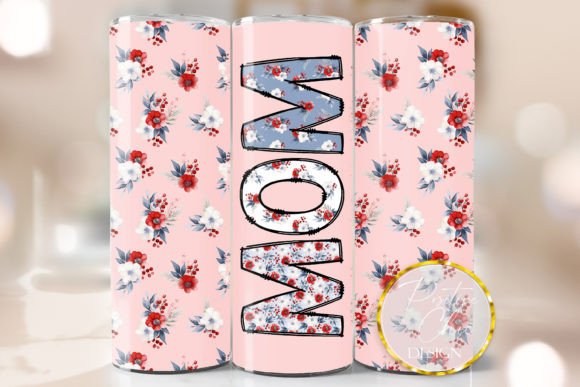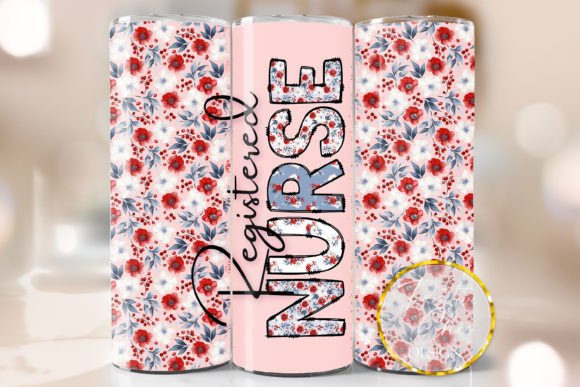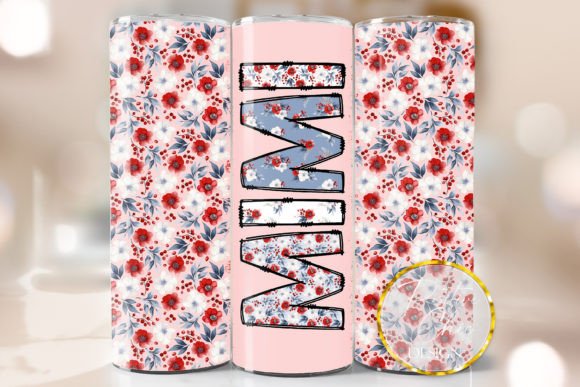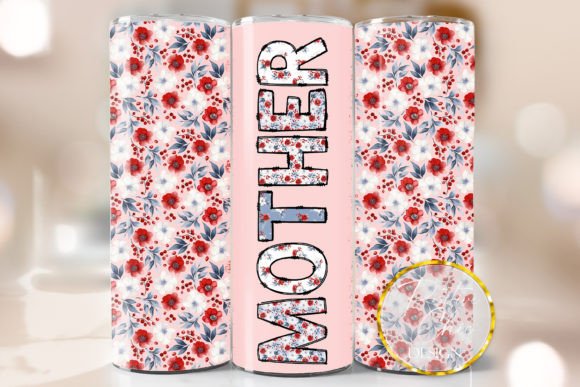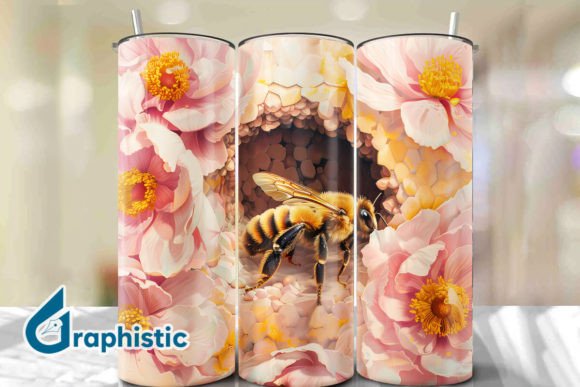
Bee Break Through Tumbler Wrap 40
First Impressions: A Cheerful, Confident Background That Feels Like a Hand-Drawn Sketch
Opening Bee Break Through Tumbler Wrap 40 for the first time, I didn’t see “just another background”—I saw rhythm, movement, and quiet intention. The bee motif isn’t fussy or hyper-realistic; it’s stylized with clean curves, gentle negative space, and subtle breaks in line that suggest hand-drawn energy. As a Backgrounds category asset, it leans into repetition without monotony—each repeat feels like a breath, not a loop. It reads as friendly but not childish, playful but not chaotic. That matters when you’re stitching for real people: a boutique owner choosing this for nursery pillow covers wants warmth, not whimsy overload; an Etsy seller adding it to a holiday sweatshirt collection needs charm that holds up at arm’s length.
Real Project Test: How It Landed on a Linen Tea Towel (and Why It Worked)
Last week, I stitched Bee Break Through Tumbler Wrap 40 onto a heavyweight natural linen tea towel—no applique, just fill stitch and satin stitch outlines. I used medium-weight cutaway stabilizer and tested three thread palettes: mustard + charcoal, sage + cream, and black on off-white. The design held its shape beautifully across the towel’s subtle texture, and the open areas between bees prevented dense buildup. Customers who saw the finished piece commented on how “light” it felt—even though it covered nearly the full width. That’s the strength of this Graphics file: it’s dense enough to read clearly at 6–8 inches wide, but airy enough to avoid stiffness on home goods. It also translated well into a printable mockup for my client’s Shopify listing—clean lines meant crisp digital previews without pixelation.
Where It Shines (and Where to Pause)
- Custom apparel: Works cleanly on sweatshirts and structured tote bags—especially when placed mid-panel or along a seam. The consistent scale makes it predictable for repeat runs.
- Baby embroidery: Gentle enough for onesies and burp cloths, but avoid ultra-fine knit fabrics unless you reinforce with tear-away + topping—the open shapes can snag on loose weaves.
- Holiday & gift embroidery: Paired with a simple “Honey of a Holiday” text block, it elevated a set of embroidered kitchen towels for a local craft fair. Buyers responded to its handmade authenticity—not because it looked handmade, but because it felt considered.
- Commercial embroidery: As a machine embroidery design, it stitches efficiently. No excessive trims or color changes reported in my test run—ideal for small shops balancing speed and quality.
Design Notes You’ll Want Before Threading Your Needle
This isn’t a “drop-in-and-stitch” file—it’s a thoughtful tool that rewards attention. Here’s what I checked before committing to client work:
- Test on scrap fabric first—especially if using textured cotton or stretchy blends. Bee Break Through Tumbler Wrap 40 relies on clarity in line breaks; too much give in the fabric blurs those intentional gaps.
- Confirm hoop size compatibility. While it scales well, the full repeat may exceed standard 4×4 hoops. If you’re planning caps or curved surfaces, break it into segments—or use it as a border instead of a full wrap.
- Review stitch density visually. On dark fabric, I added a light underlay stitch to anchor the fill. On light fabric, I reduced density slightly to keep the linen’s texture visible beneath.
- Inspect small details at actual stitch-out size. The bee’s wings and antennae hold up well at 3–4 inches tall, but below 2 inches, some subtlety is lost. Save tiny versions for patches or baby onesies only after testing.
- Check thread color contrast early. This design lives in its tonal range—if your palette is all muted tones, add one crisp accent (like a honey-gold satin stitch) to lift the whole composition.
Fabric & Finish Considerations You Can’t Skip
Bee Break Through Tumbler Wrap 40 performs best on stable, medium-to-heavyweight fabrics: canvas, twill, linen, midweight cotton duck. It struggles on thin polyesters (stitch pull-through), jersey knits (stretch distortion), and highly napped fabrics like fleece (details disappear). For dark fabric, use white or pale topping to prevent shadowing in open areas. For layered garments—think reversible aprons or double-sided pillow covers—confirm the backside doesn’t show heavy underlay or jump stitches. And yes, it washes well if you’ve used appropriate stabilizer and high-quality thread—but always advise customers on gentle cycles, especially for baby items.
Why This Background Builds Trust—Not Just Decoration
In my six years reviewing embroidery files for craft businesses, I’ve learned that buyers don’t just buy designs—they buy confidence. Bee Break Through Tumbler Wrap 40 delivers that quietly. Its balanced layout means fewer re-hooping moments. Its visual consistency helps maintain brand cohesion across product lines—say, matching tea towels, aprons, and tote bags for a local honey shop. And because it avoids over-detail, it photographs well in natural light, which directly boosts Etsy visibility and buyer engagement. When customers receive a finished product with this design, they feel the care in the spacing, the intention behind the breaks—not just the bee.
A Final Note for Sellers & Creatives
If you’re an Etsy seller, small shop owner, or digital product creator: Bee Break Through Tumbler Wrap 40 is a versatile Backgrounds asset, but it’s not license-agnostic. Before listing finished embroidered items or bundling it into your own digital embroidery file packs, confirm the usage terms included with your purchase. Likewise, if you’re adapting it for print-on-demand or sublimation, remember that embroidery files aren’t always optimized for raster output—test a high-res printable mockup first. This isn’t a limitation—it’s a reminder that great design assets earn their place through thoughtful use, not just convenience.